Speak
A visitor asks Abraham a question using their voice.
Playground · AI, robotics & memory
Can technology preserve the way we remember someone, rather than simply storing what they left behind?
An interactive installation exploring memory, grief, identity and the possibility of giving physical form to a person’s digital traces.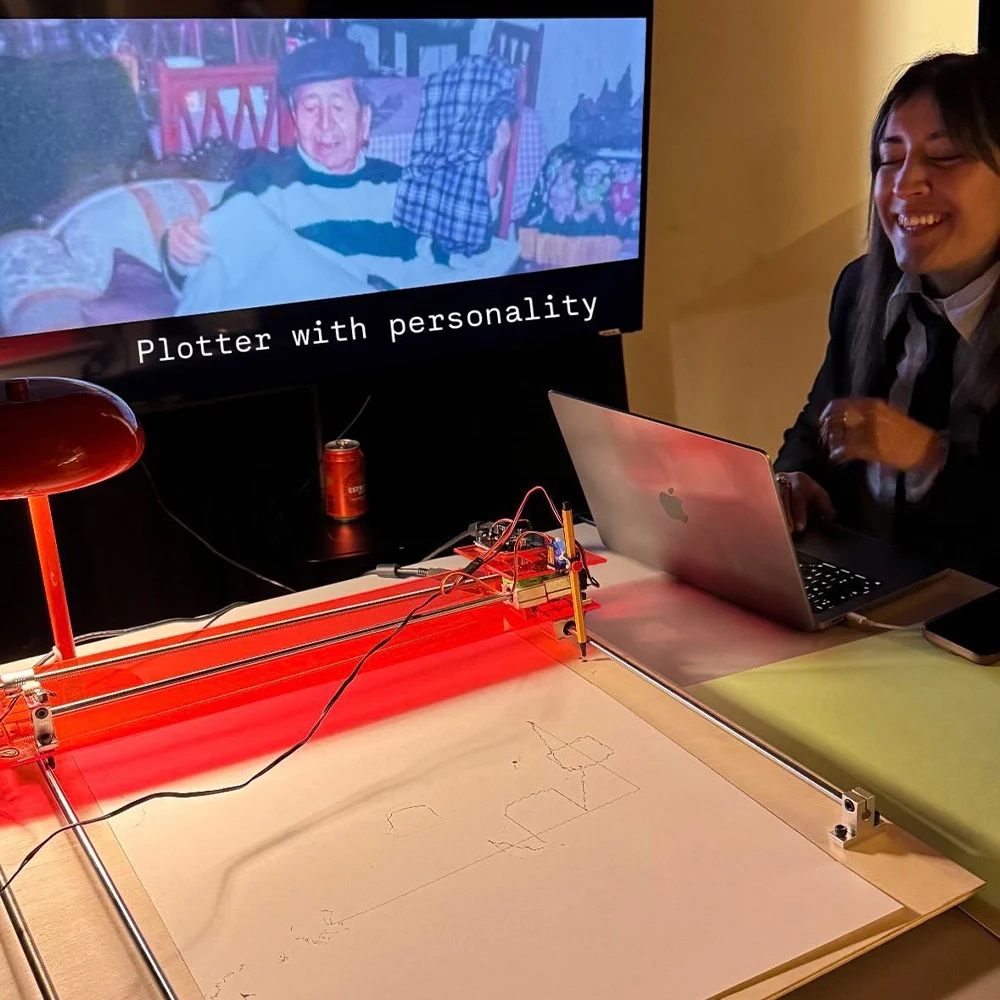
It began with Abraham
The project began with my grandfather, Abraham. I collected family memories, stories, letters, photographs, recordings and personal anecdotes to create a knowledge archive.
Rather than designing a system to impersonate him, I designed it to respond through the fragments of him that my family remembers. Memory became the material: collective, imperfect and reconstructed.
I built a local AI system using Ollama and retrieval-augmented generation (RAG), then built a CNC writing robot from scratch so the conversation could leave the screen.
The experience
A visitor asks Abraham a question using their voice.
The system searches a private archive of family memories and personal material.
A local language model constructs an answer grounded in those memories.
The custom plotter turns the response into G-code and writes it in his reconstructed handwriting.
I wasn't interested in recreating a person. I wanted to explore whether technology could give physical form to the way we remember them.
01 · Building a body
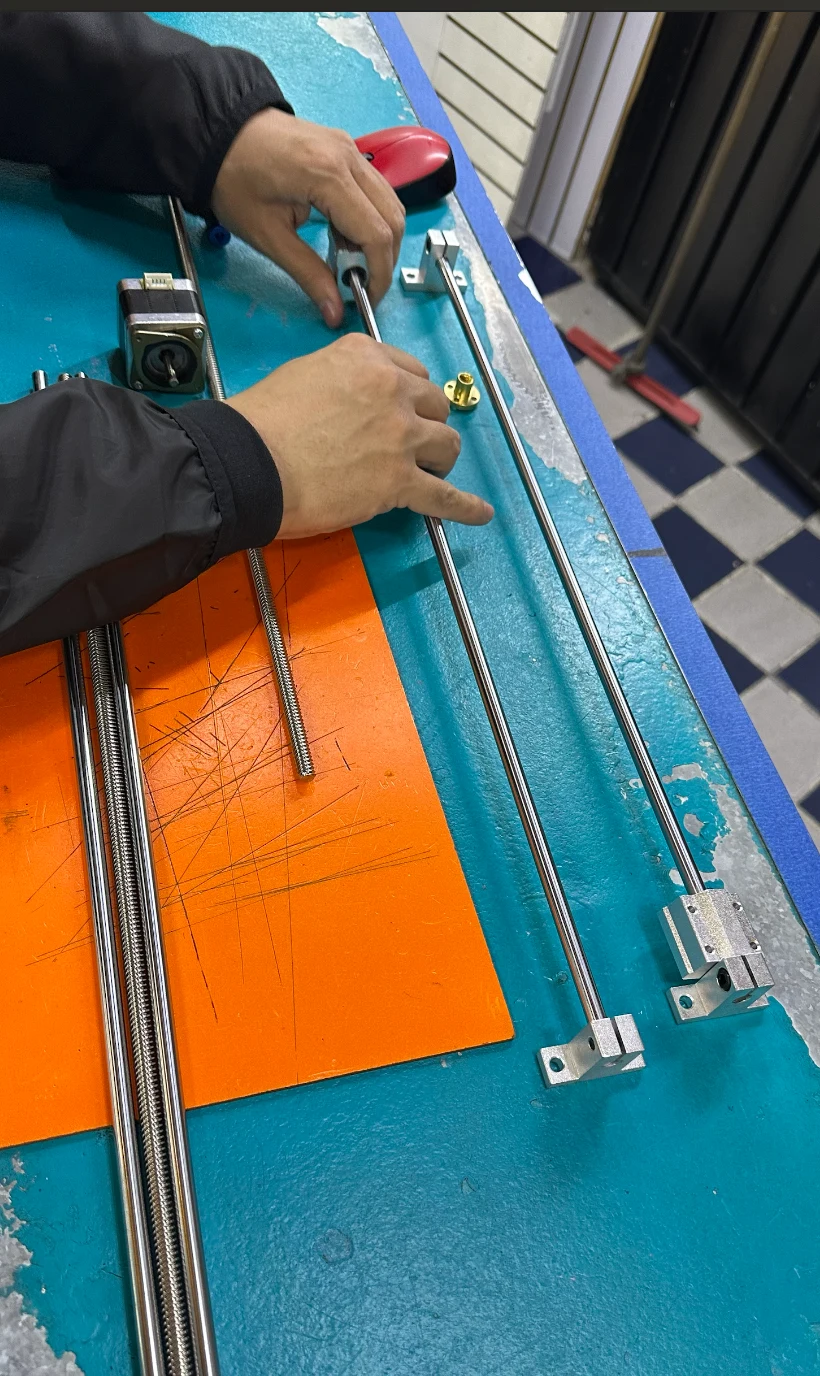
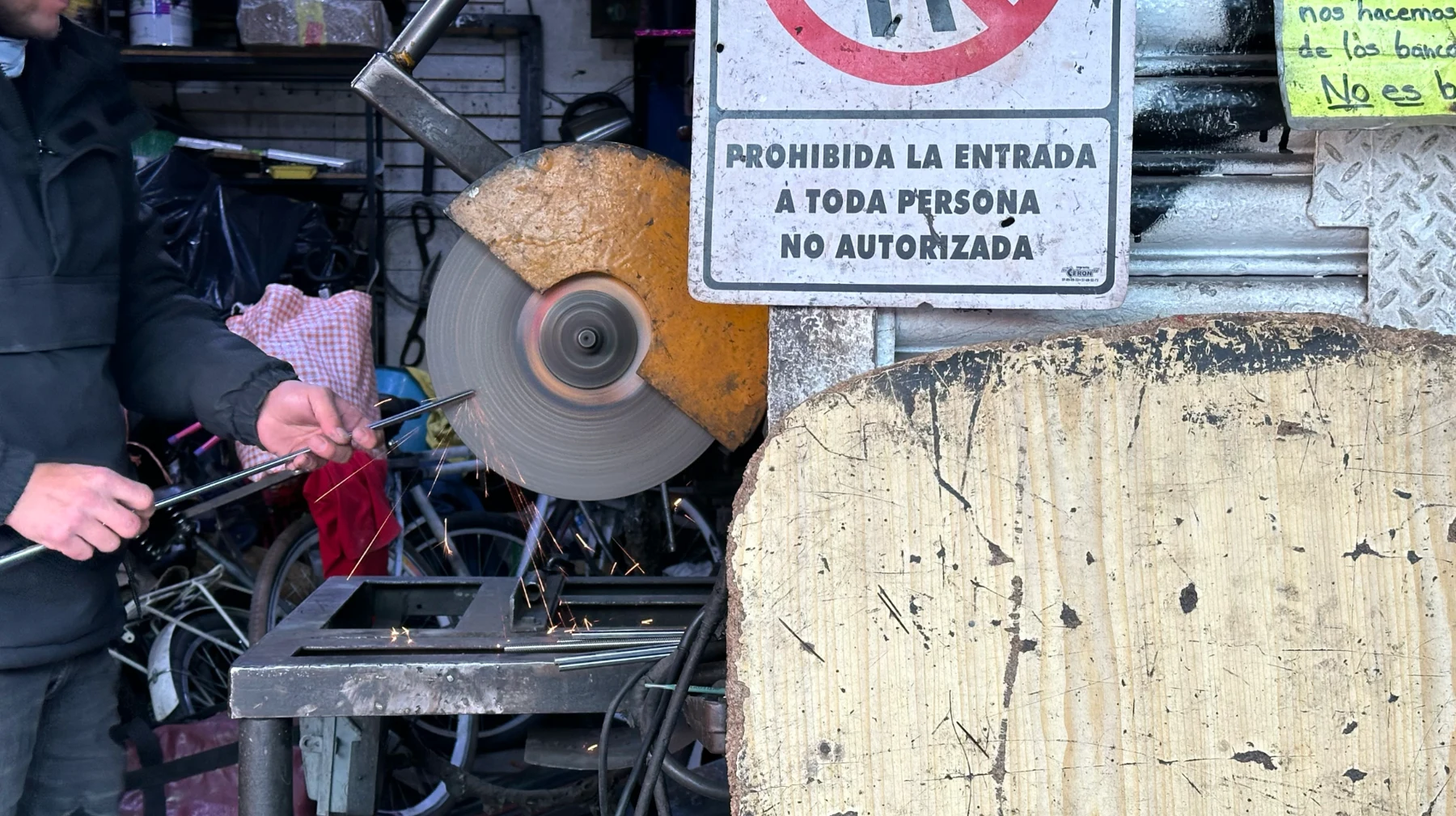
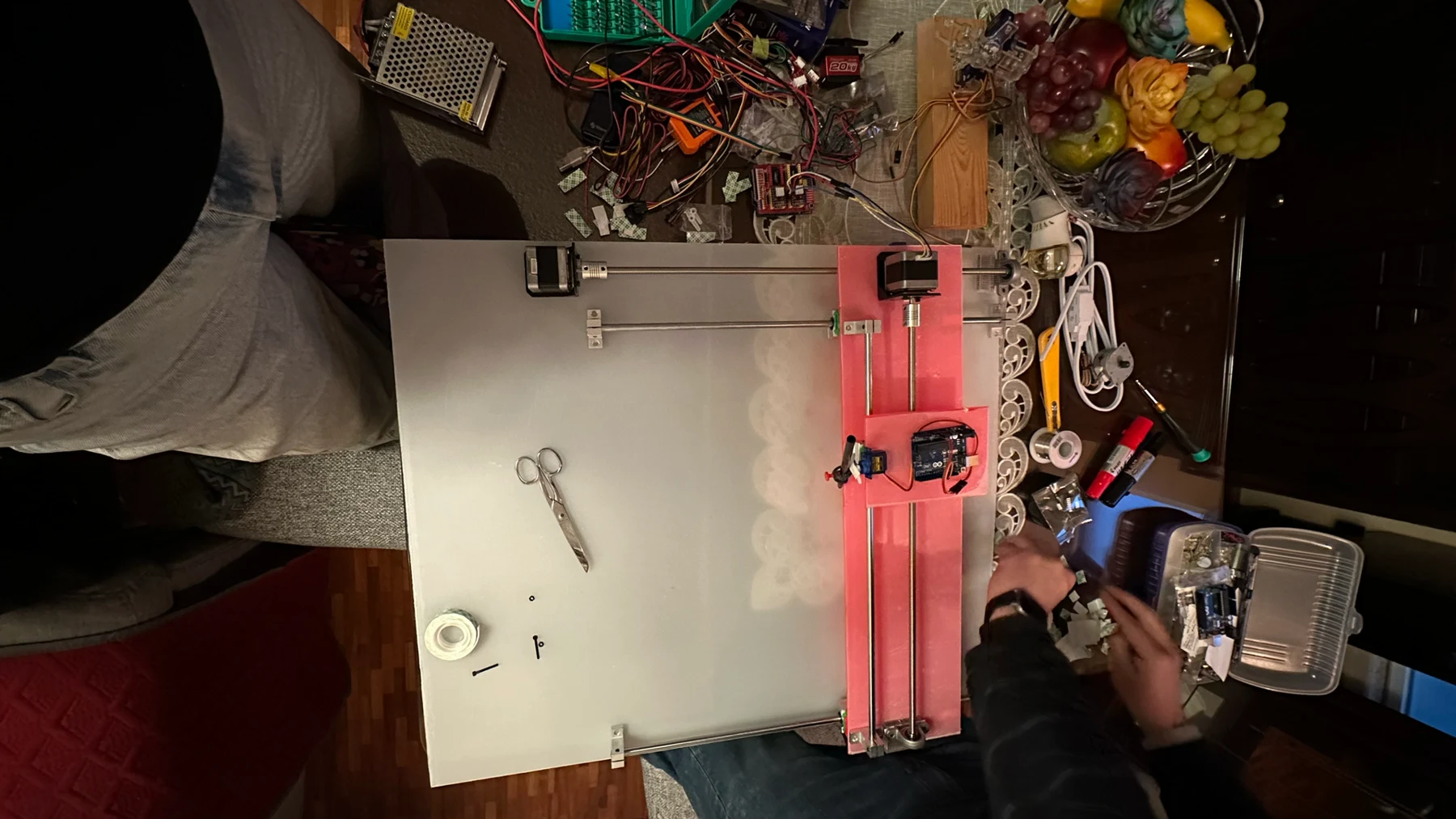
I designed and built the XY plotter from individual mechanical and electronic components, prototyping the structure, movement system and pen mechanism. Rails, motors, electronics, Arduino controls and software became one writing instrument.
02 · Reconstructing a gesture
Samples from my grandfather’s letters became the basis for a custom single-line typeface, optimized for CNC plotting. A familiar gesture could now be traced by an unfamiliar hand.
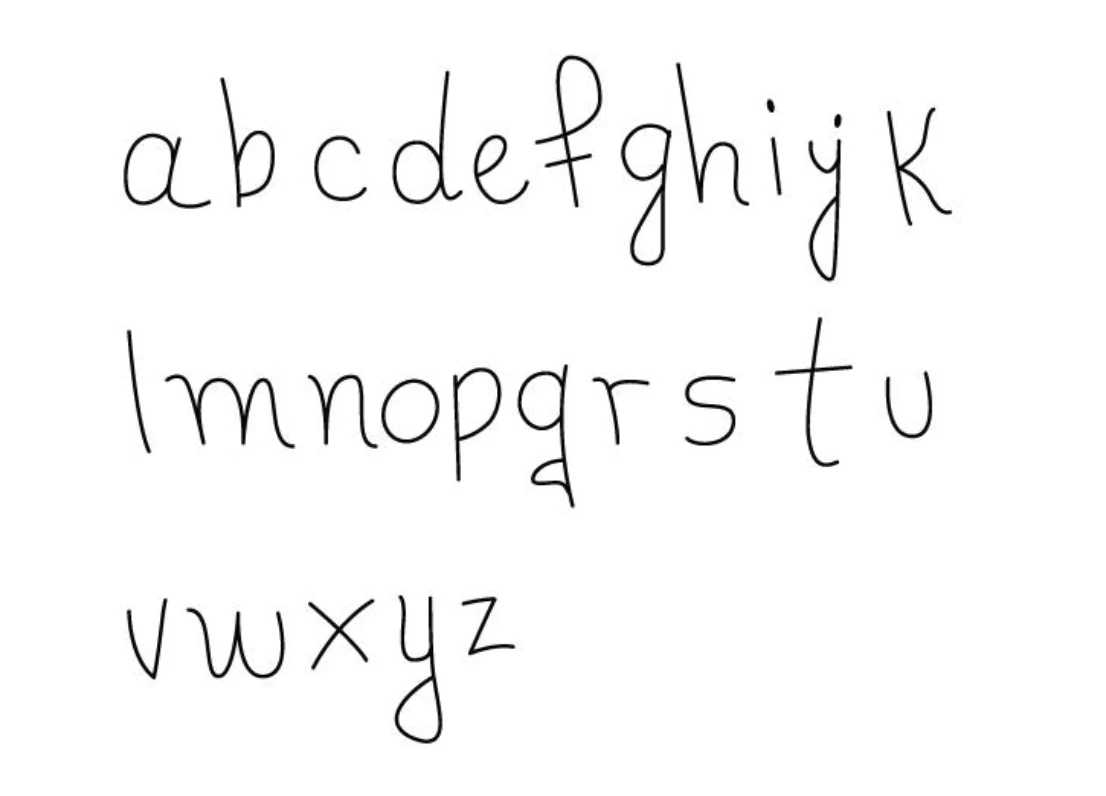
03 · Building a personality from memory
His personality wasn’t generated from a generic prompt. I interviewed my family and collected the stories, expressions and memories through which we remembered him.
A family recording from the material behind Absent Voices.
04 · Giving the AI a voice
Ollama runs the language model locally. RAG brings relevant fragments of the family archive into the response. The generated words become a physical movement through the custom handwriting and plotter.
A visitor starts the conversation.
Relevant memories ground a locally generated answer.
The answer becomes marks on paper.
Conceptual view of the system, based on the project’s interaction flow.
05 · Turning language into matter
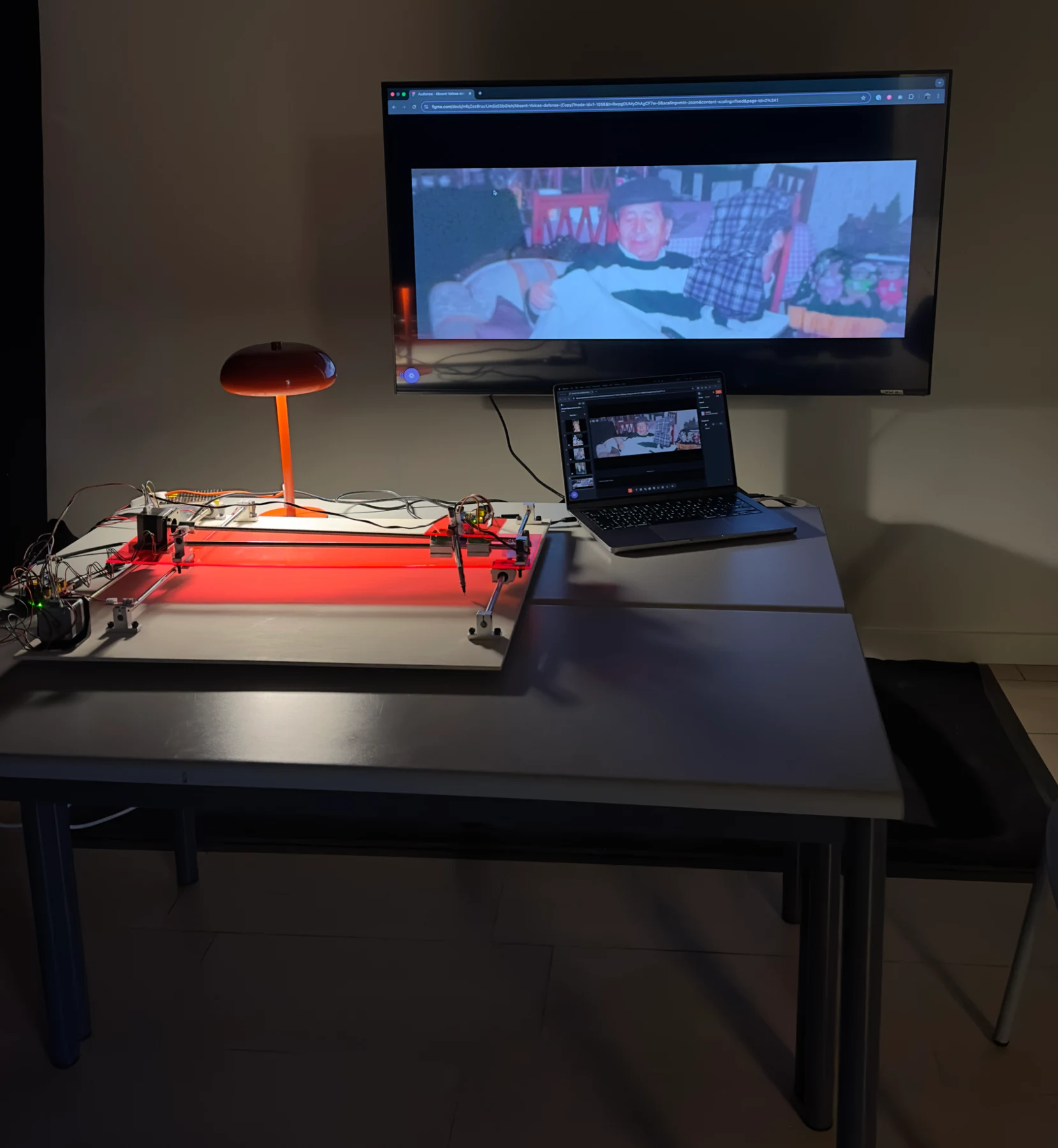
When the AI generates an answer, the robot slowly writes it onto paper in his handwriting. Voice becomes memory, computation becomes movement, and the conversation returns as something physical.
A new letter, written by a machine carrying traces of someone who is no longer here.